a.
Landlord turning a smoker's unit
A landlord preparing a vintage one-bedroom after a long-term smoking tenant needs it ready for a new lease in ten days.
For landlords, owners, and renters
Capitol Hill's older apartment buildings hold onto smoke: plaster walls, original wood trim, radiators, and shared air. Treating the residue is what keeps the next resident from living with the last one's habit.
Ask any provider whether it treats the residue at the source or relies on fragrance cover-ups; only the first lasts.
This website is a draft preview. No phone line or request form is connected yet.
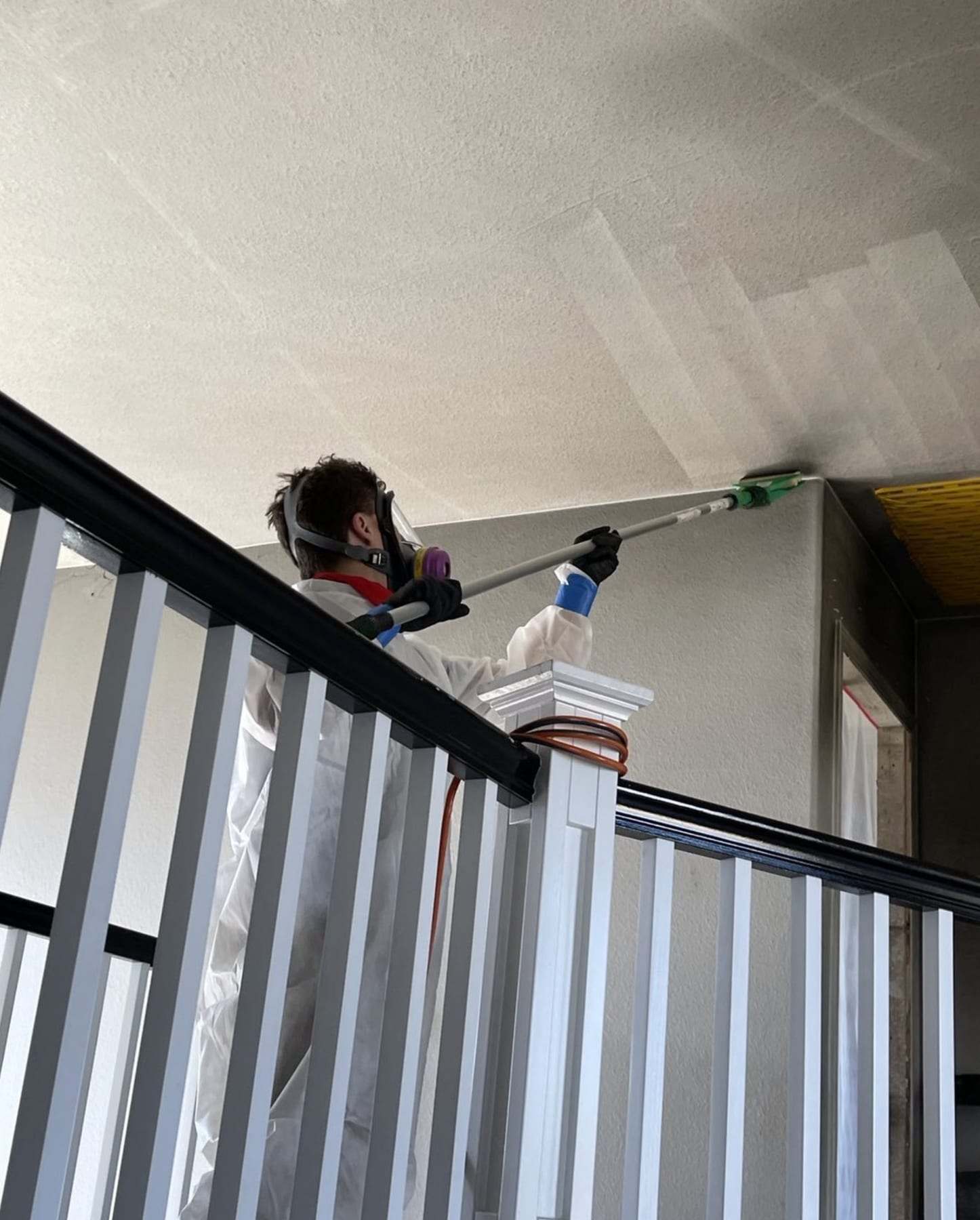
When a tenant who smoked indoors moves out, the residue stays: on walls and ceilings, in window coverings and carpet, inside cabinets and closets, and in any ventilation the unit shares. New paint may hide the color but not the odor, and new tenants notice within days, especially once heat comes on.
For landlords and property managers, turnover is the best time to fix it. The unit is empty, surfaces are accessible, and treatment can be scheduled before painting and cleaning. A thorough job treats surfaces and soft materials and adds a whole-space treatment that can reach the unit's HVAC; ask whether ozone or masking fragrance will be used.
Explainers and planning tools for landlords, owners and renters dealing with smoke in older buildings.
a.
A landlord preparing a vintage one-bedroom after a long-term smoking tenant needs it ready for a new lease in ten days.
b.
A buyer closes on a condo in a 1920s building and finds smoke odor embedded in plaster walls and closets.
c.
A new renter notices smoke odor after the first cold night when the radiators come on, and the landlord agrees to a treatment.
Capitol Hill, east of the State Capitol, is one of Denver's densest neighborhoods. It's largely made up of apartment buildings and condominiums, many built in the early twentieth century, alongside Victorian-era mansions that have been divided into units. The majority of residents rent.
Older buildings have plaster walls, original wood trim and floors, radiators, and shared spaces where smoke residue builds up over years. Smoke can also travel between units through gaps around pipes and wiring. Treating each unit at turnover is the most practical way to keep odors from accumulating.
ZIP codes served: 80203 (Denver), 80218 (Denver), 80202 (Denver), 80206 (Denver), 80205 (Denver), 80209 (Denver), 80204 (Denver).
Also nearby: 80211, 80223, 80246, 80220, 80216, 80207, 80219, 80210, 80212, 80214, 80224, 80230.
Capitol Hill's walk-ups and converted mansions were built long before anyone thought about smoke traveling between apartments. Gaps around radiator pipes, plumbing chases, shared ductwork and old electrical boxes let it move from one unit to the next.
That changes the plan. Treating a unit removes the residue already inside it, but if a neighbor still smokes, the smell will come back. A good assessment says which situation you're in before anyone spends money on treatment.
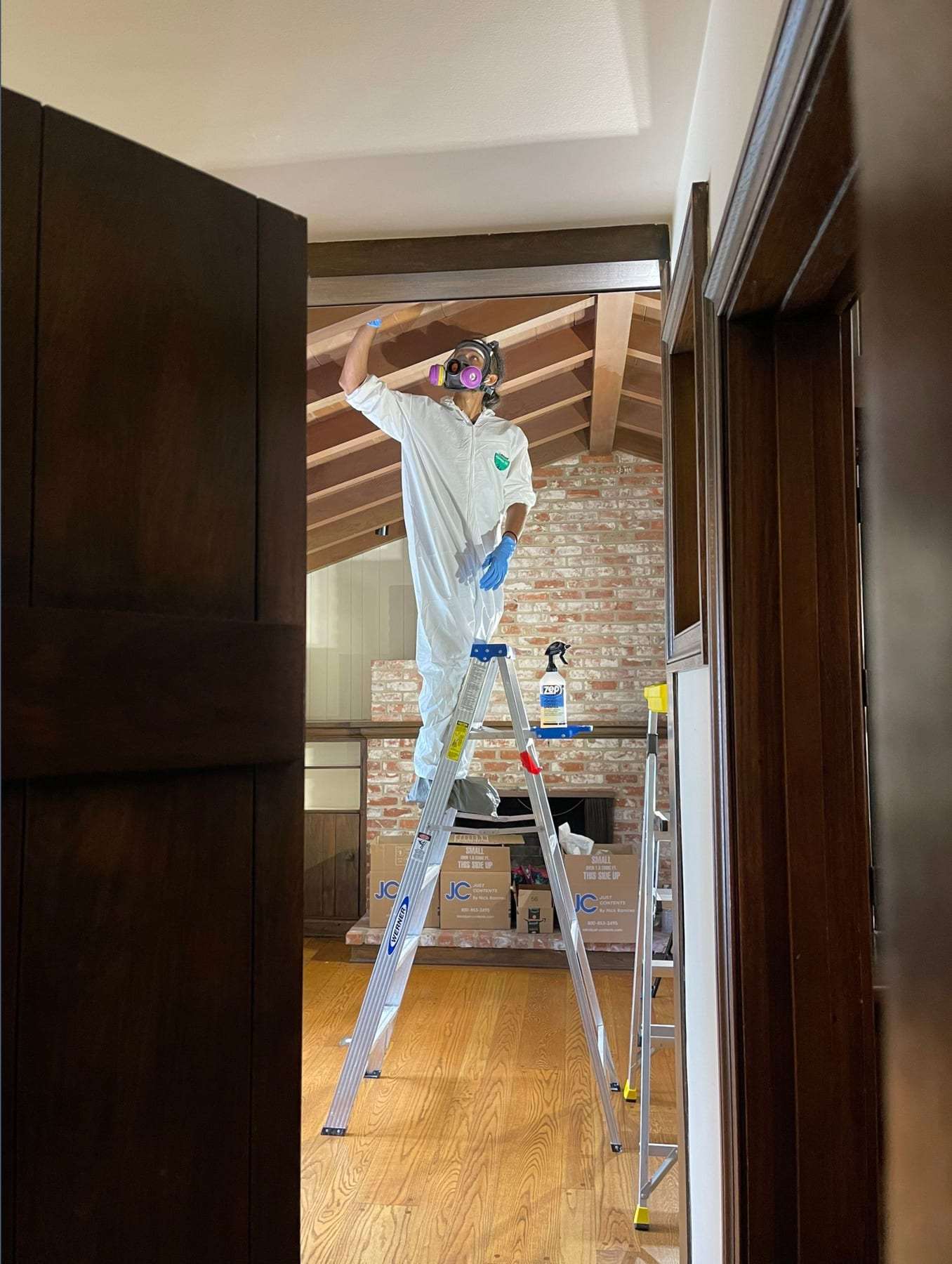
Yellowing on walls, ceilings, and around light fixtures and smoke detectors.
Odor that's strongest in closets and cabinets, where air doesn't circulate.
Residue on window blinds, glass, and radiators.
Smell coming from wall or ceiling vents when the system runs.
1
Surfaces, soft materials and the air system are treated so the residue itself is broken down.
2
Items that hold residue and cost little to swap: HVAC filters, blinds, sometimes carpet pad.
3
If paint goes on after treatment, an odor-blocking primer first; painting over untreated residue lets it bleed through.
4
A walkthrough with the heat or AC running, because warm air releases odor that a cold, empty unit hides.
A turnover treatment is usually planned to fit between move-out and move-in.
The unit is walked to find where smoking occurred and how far residue spread.
Walls, ceilings, carpet, cabinets, closets, and ventilation are evaluated.
You should hear what to treat, what to replace, and when to paint relative to treatment.
Surfaces are treated, followed by a whole-space treatment that includes air pathways serving the unit.
Results are checked so painting and move-in can proceed.
If you plan to charge a former tenant for smoke odor treatment, the documentation matters as much as the cleaning. Take dated photos at move-out, including yellowed walls, stained fixtures and filters. Keep the treatment invoice, which lists what was done to which rooms.
Whether a charge is allowed under the lease and Colorado's security deposit rules is a legal question for you or your attorney. Ask the odor provider for a clear invoice and description of the work; it can't advise you on deposit disputes.
Yes. Turnover is the ideal time. The unit is empty, and treatment can be scheduled before painting and final cleaning so improvements last.
After. Surfaces should be treated first, and an odor-blocking primer is often recommended before paint in units with heavy residue.
Residue in your unit can be treated, but if smoke keeps entering from elsewhere, the building may need to seal gaps or enforce smoking rules. Talk with your landlord or HOA.
Plaster is porous and can absorb residue, especially after years of exposure. Surface treatment and sealing before painting are usually effective.
It depends on the unit and the residue. Ask how long the work will take and when it's safe to re-enter after a whole-space treatment.
Colorado law allows landlords to deduct for damage beyond normal wear and tear, subject to the lease and state rules. Consult your lease or an attorney for your situation.
No. Treatment removes residue that is already in the unit. If smoke keeps arriving through shared walls, outlets, plumbing chases or a shared air system, the odor returns. Sealing gaps can reduce migration, but the lasting fix is at the source unit or through the building's smoking policy.
This form is not connected. This website is a draft preview: no business has been confirmed to receive requests, so the fields below are switched off and nothing can be sent. In an emergency, call 911.
Photograph the unit at move-out, pull blinds and soft goods, change filters, and hold the paint. Then choose an odor provider you have checked and schedule treatment before the next lease.